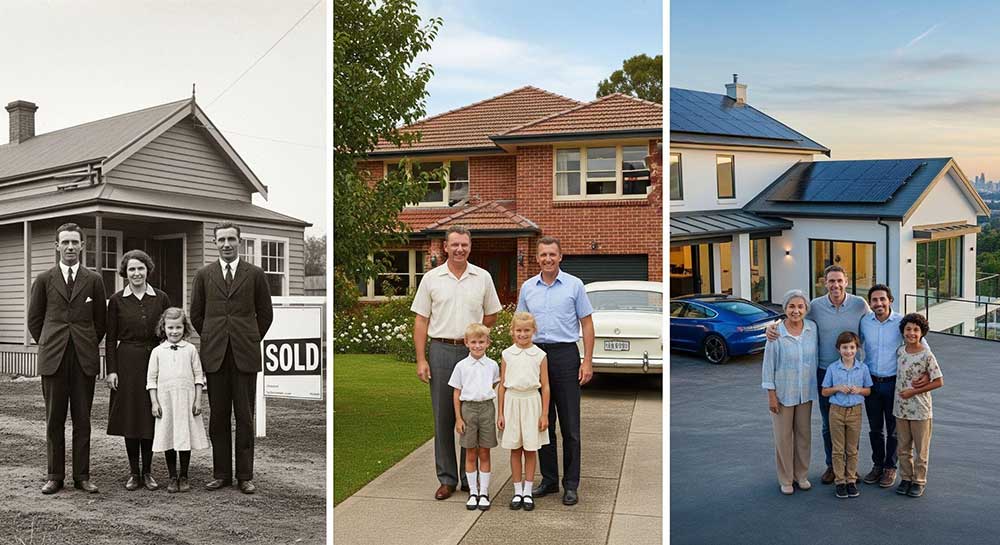
For generations, owning a home has been a defining milestone of stability, freedom, and success. But over the last two decades, that dream has felt increasingly out of reach—derailed by rising housing costs, stagnant wages, and a market dominated by investors and institutional buyers. Many Millennials and Gen Zers have come of age in a world where renting feels like the only option.
But change is brewing. A new era of homeownership is emerging—one that is more intentional, informed, and digitally empowered than ever before.
The Shift: From Transaction to Transformation
Traditional homeownership was often treated as a transaction: find a house, get a mortgage, sign the papers. Today, ownership is becoming a more transformational experience, tied to identity, long-term security, and even activism. More people are seeing their homes not just as shelters—but as equity-building tools, generational assets, and spaces that reflect their values.
This shift is especially evident among first-time buyers, custom home builders, and younger families who are taking bold steps to reclaim control over where and how they live. They’re not just buying what’s available—they’re building what they need.
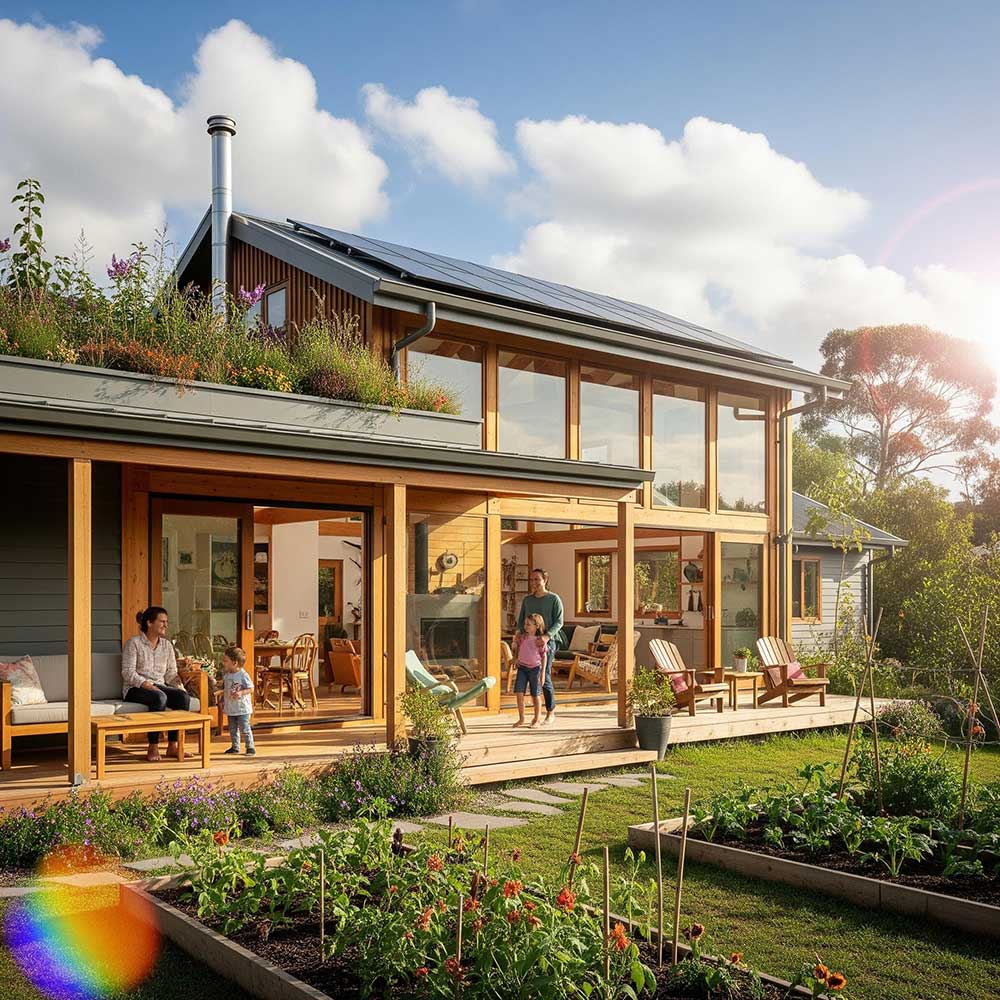
They’re not just buying what’s available—they’re building Modern custom homes that align with their lifestyle, values, and long-term goals.
The Barriers: Still Real, Still Structural
We can’t talk about the home building process without naming the barriers:
Affordability Crisis: The median home price has skyrocketed, making down payments feel impossible for many.
- Land and Zoning Restrictions: Outdated policies prevent infill housing, ADUs, and density—cutting off opportunities before they start.
- Lending Biases and Credit Systems: People of color, immigrants, and entrepreneurs often face more friction securing financing.
- Lack of Transparency in Construction: For those looking to build, the process is opaque, fragmented, and full of risk.
- The new homeownership era requires systems-level change—but also tools and platforms that empower individuals to move forward, even within broken systems.
The Reclaimers: Who’s Leading the Movement
This movement is being led by scrappy builders, ambitious families, single parents, and creative professionals. They’re taking non-traditional paths—buying fixer-uppers, joining land co-ops, or working with local contractors to design homes from scratch. They’re using online communities to crowdsource advice, comparing bids through digital platforms, and tracking every dollar they invest.
They’re using online communities to crowdsource advice, comparing bids through digital construction platforms, and tracking every dollar they invest with smarter home construction management tools.
We’re seeing a mindset shift: from “Can I afford a home?” to “How can I make this happen?” This resourceful, resilient spirit is what defines the next generation of homeowners.
Technology as an Enabler, Not a Replacement
Technology isn’t replacing realtors or contractors—but it is helping demystify the process. Platforms that support budget transparency, digital permitting, smart design visualization, and AI-guided planning are leveling the playing field.
Homebuilding is no longer a luxury reserved for the wealthy. With the right digital tools, more people can shape their home—and future—on their own terms.
Ownership as Empowerment
In this new era, homeownership is about more than keys and deeds. It’s about:
- Stability in a volatile world
- Freedom to design and decide
- Wealth-building that isn’t extractive
- Pride in something built, not just bought
This is not a return to the 1950s white-picket-fence dream. It’s a reimagined, more inclusive version of the American dream—one rooted in empowerment, equity, and access.
Final Thought: Let’s Build a Movement
If you’re feeling the itch to build, buy, or reclaim space—know that you’re not alone. My husband and I just built our home, so reach out and let’s start a conversation. This is our moment to reshape the story of homeownership in America. Let’s make it more human, more just, and more possible—for all of us.